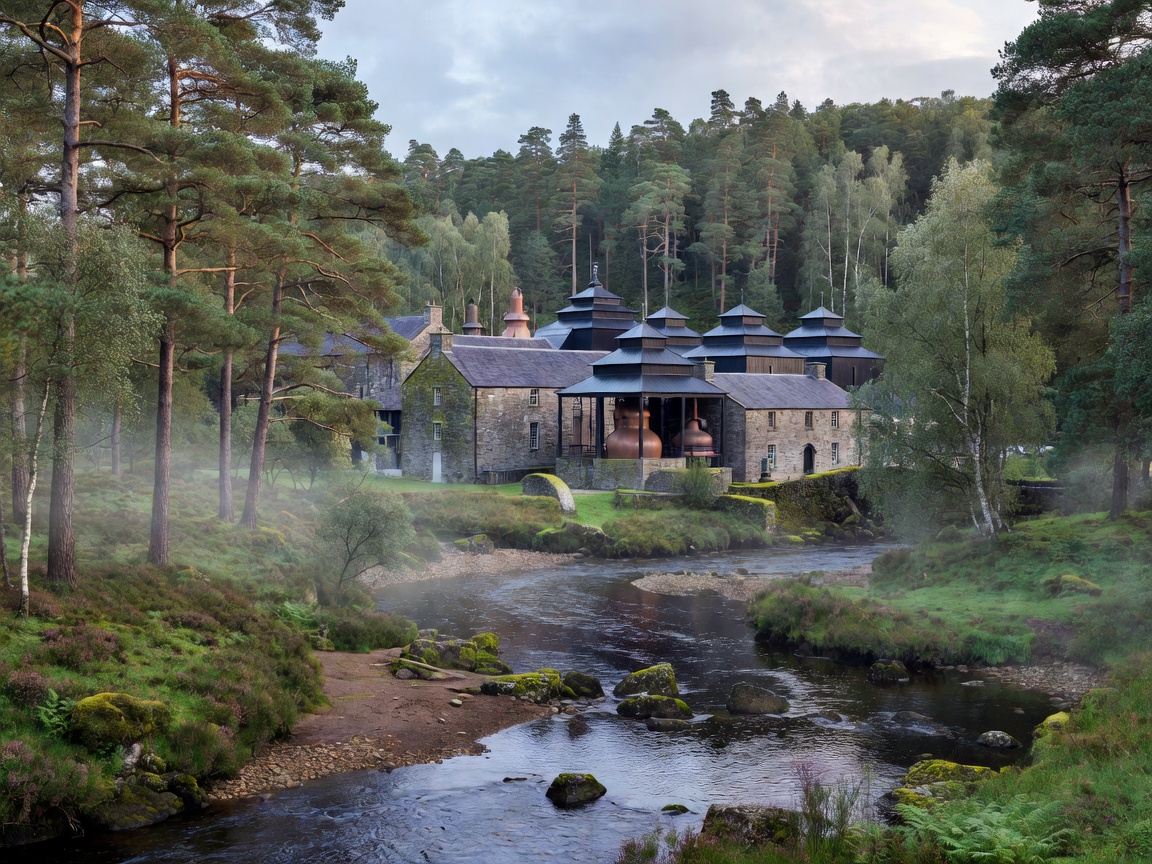
Speyside
Dense with distilleries, varied in still character and notably associated with sherry-seasoned maturation.
Read the Speyside guideIndependent regional guide
Five regions offer useful historical and geographical bearings. They do not issue flavour passports. Explore how barley, peat, fermentation, still shape, warehouses and casks complicate the tidy map.
Five regional bearings
Regional names can narrow the questions worth asking, but production choices carry more weight than a postcode alone.
Dense with distilleries, varied in still character and notably associated with sherry-seasoned maturation.
Read the Speyside guide
Peat smoke gets the headlines. Fermentation, cut points and casks write the smaller print.
Read the Islay guide
A vast region where a single house style would be a rather ambitious administrative achievement.
Read the Highlands guide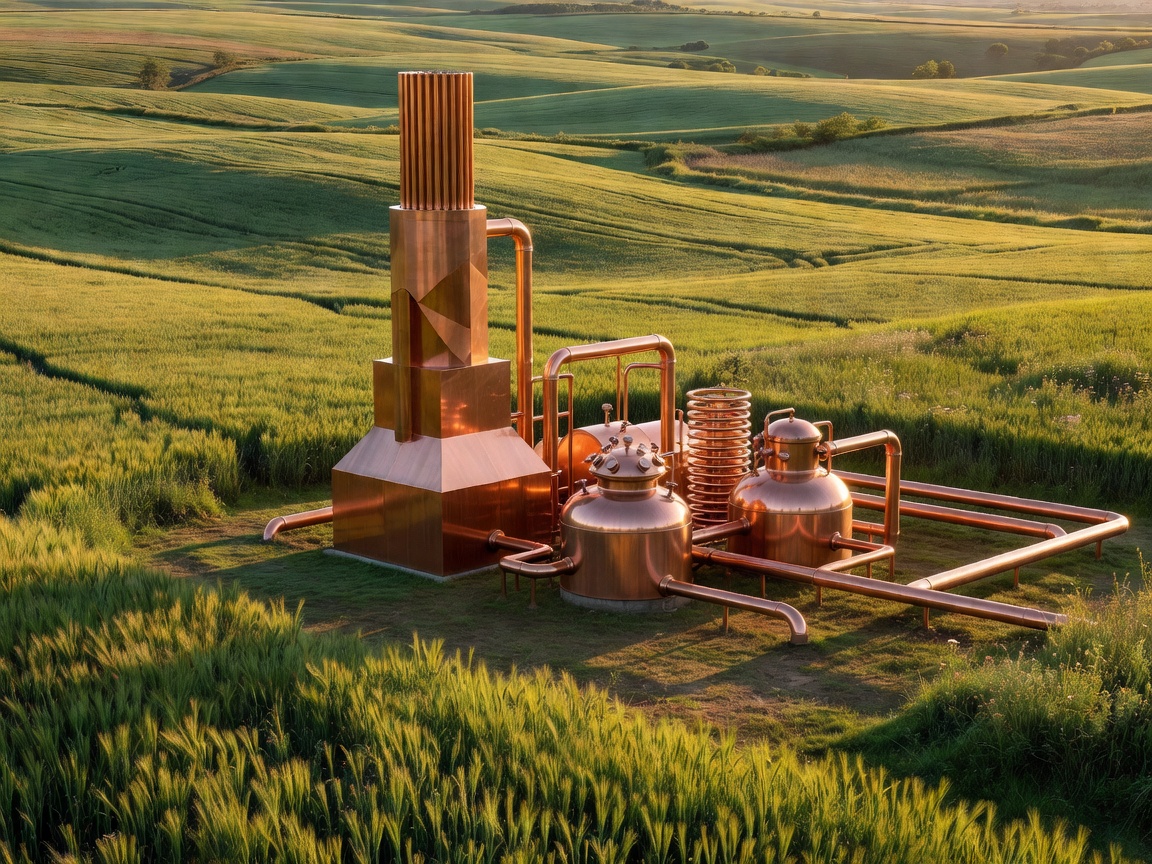
Lightness is part history, part method and never a guarantee printed by the landscape.
Read the Lowlands guide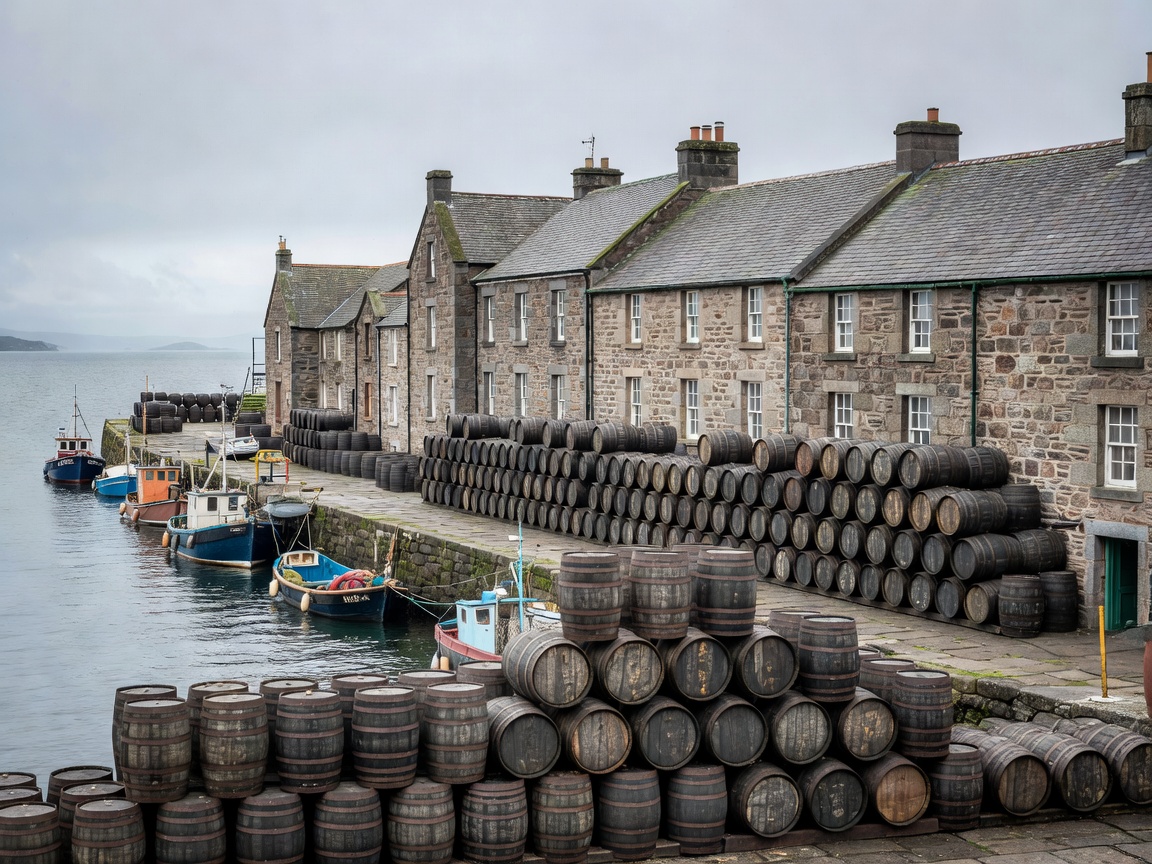
A compact region with weighty spirit, maritime associations and several distinct production choices.
Read the Campbeltown guideCheck the legal category, age statement, alcoholic strength, cask wording and bottler. “Single malt” describes production at one distillery; it does not mean one cask. A region supplies context, not a tasting guarantee.
Scotch whisky is regulated by the Scotch Whisky Regulations. Regional names sit inside that legal and historical setting, while flavour is made by many less cartographic decisions.